Sweepstakes, Lottery and Prize Scams: Real Prizes Are Free
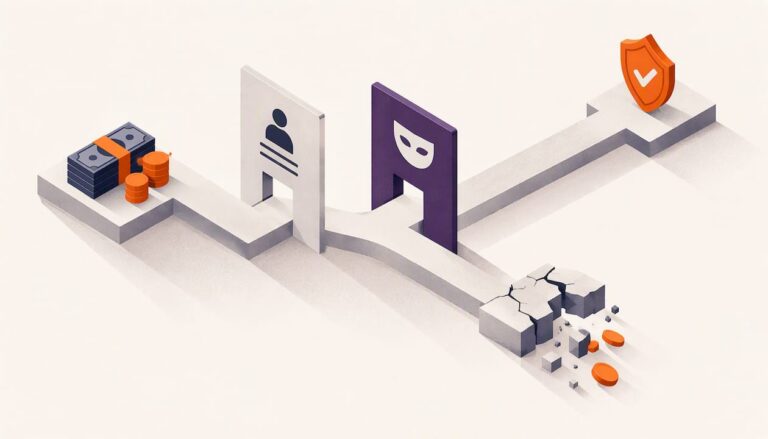
A call, letter, text or social media message says you’ve won a lottery, sweepstakes, car or vacation. To collect, you just need to pay taxes, shipping or a processing fee, or share your bank details. Real prizes don’t work that way. This guide explains the warning signs and what to do if you’ve already paid. Checked October 25, 2026.
The one rule
If you have to pay to get a prize, it isn’t a prize. Real sweepstakes are free, and you never need to share your bank account, card number or Social Security number to claim one.
Warning signs
- Any fee for taxes, shipping, processing or customs before you can collect.
- Paying to improve your odds. The FTC says this is illegal; real sweepstakes winners are chosen by chance.
- A foreign lottery. These messages are almost certainly scams, and U.S. citizens are generally barred from playing foreign lotteries.
- A government “prize office.” The FTC and other agencies don’t run prizes or call to release winnings.
- A famous sweepstakes name used by a caller asking for money.
- A check in the mail with instructions to send part of it back. See Fake Check Scams.
- Payment by gift card, wire transfer, payment app, cash or cryptocurrency.
- A deadline: “Act now or lose your prize.”
What to do with a “you’ve won” message
- Don’t call back the number in the message or click its links.
- If it names a real company, look up the company’s contact details yourself and ask.
- Ask yourself whether you even entered. If you didn’t, you didn’t win.
- Throw away mailed notices and delete texts or messages.
If you’ve already paid
- Act fast. Contact the bank, card issuer, gift card company, wire service or payment app and ask to stop or reverse the payment. See Get Help Now.
- Report it to the FTC at ReportFraud.ftc.gov, your state attorney general, and, if the offer came by mail, the U.S. Postal Inspection Service.
- If you shared personal information, go to IdentityTheft.gov. See Identity Theft Recovery.
- Expect more calls. People who pay once are often targeted again, sometimes by “recovery” scammers. See Recovery and Refund Scams.
Helping an older parent
Prize scammers often call older adults again and again, building a relationship and asking for “one last fee.” Check whether a parent is getting lots of prize mail or calls, set up call filtering (see Stop Scam Calls on a Parent’s Phone), and agree that any “winnings” get checked with you first.
Quick checklist
- Never pay to collect a prize
- Never share bank or card details to claim winnings
- Ignore foreign lottery messages
- Look up company contacts yourself
- Report prize scams to ReportFraud.ftc.gov
Frequently asked questions
Don’t real winners have to pay taxes?
Winners may owe income tax, but they pay it to the IRS when they file, not to the company giving the prize, and not before receiving it.
The caller said they were from the FTC. Is that real?
No. The FTC doesn’t award prizes or call to collect fees for them.
Are real sweepstakes ever legitimate?
Yes, but you’ll have entered them yourself, and you never pay to win.
Sources
- Fake Prize, Sweepstakes, and Lottery Scams, FTC Consumer Advice, accessed October 25, 2026
- That random call saying “you’ve won a prize” is a scam, FTC Consumer Advice, accessed October 25, 2026
Get one family safety tip a month. Sign up for the Juggling Chaos newsletter. We will never ask for a password, payment, gift card, or verification code.
This guide is general information, not legal or tax advice. See our Disclaimer and Editorial Policy.