Romance Scams: Warning Signs, How They Work and What to Do
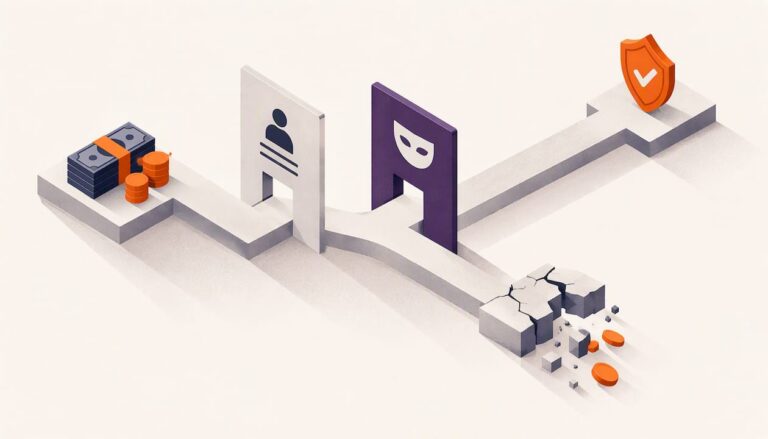
A romance scammer sets up a fake profile on a dating app or social media, builds a close relationship over weeks or months, and then needs money. The stories feel real because the attention is real: daily messages, plans for the future, and sympathy. This guide explains how the scam works, how to check a new match, and what to do if money has already been sent. Checked October 25, 2026.
The one rule
If someone you’ve only met online asks you for money, it’s a scam, however long you’ve been talking. The FTC says the same.
How romance scams work
- Contact. A friendly message on a dating app, social media, a game or a “wrong number” text.
- Trust. Daily messages, compliments and talk of a future together. They often ask to move to a private messaging app.
- The reason they can’t meet. Common stories include serving in the military overseas, working on an oil rig, or doing business abroad. Planned visits keep getting canceled.
- The money. A medical emergency, a plane ticket to visit you, customs fees, a frozen bank account, or an “investment” they want to share with you.
Warning signs
- They can’t or won’t meet in person or video chat.
- They profess strong feelings very quickly.
- They ask you to keep the relationship secret from family.
- They ask for money, or for you to receive and pass on money or packages.
- They tell you how to pay: gift cards, wire transfers, payment apps or cryptocurrency, all hard to reverse.
- They introduce you to a crypto trading site. See Crypto Investment Scams.
How to check a new match
- Reverse image search their profile photos. If the photos appear under another name, or the details don’t match, that’s a sign of a scam.
- Search their story online with the word “scammer”, such as “oil rig engineer scammer”. Others may have reported the same script.
- Ask for a live video call. Repeated excuses are a red flag.
- Talk to someone you trust before sending anything. Scammers rely on secrecy.
If you’ve already sent money
- Stop contact and don’t send more, whatever they say will happen.
- Contact the company you used to pay right away: your bank, card issuer, gift card company, wire service or payment app. Ask them to reverse or stop the payment. See Get Help Now for what to say for each payment type.
- Report it to the FTC at ReportFraud.ftc.gov and to the dating site or social platform.
- Watch for a second scam. Anyone who offers to recover your money for a fee is another scammer. See Recovery and Refund Scams.
- Secure your accounts if you shared passwords, ID photos or your Social Security number. See Identity Theft Recovery.
Helping a parent or friend
People caught in a romance scam often defend the scammer, because the feelings are real to them. Shaming or arguing tends to push them closer to the scammer. Instead:
- Ask questions rather than accuse: “Have you two video chatted?” “What happened to the visit?”
- Do a reverse image search together.
- Agree on a rule: no money to anyone they haven’t met in person.
- Watch the video guide Online Romance Scams together.
Quick checklist
- Never send money to someone you’ve only met online
- Reverse search their photos
- Insist on a live video call
- Tell a friend or family member about the relationship
- Report scam profiles to the platform and the FTC
Frequently asked questions
They sent me money first. Does that mean they’re real?
No. Scammers sometimes send money or a check so you’ll send money on, which can make you part of a money-laundering scheme. See Fake Check Scams.
Can I get my money back?
Sometimes, if you act quickly with the payment company. Gift cards, wires and crypto are the hardest to recover, which is why scammers ask for them.
Do men get targeted too?
Yes. Romance scams target people of every age and gender.
Sources
- Why can’t that new love interest meet in person?, FTC Consumer Advice, February 12, 2026, accessed October 25, 2026
- New trends in reports of imposter scams, FTC Consumer Advice, May 7, 2026, accessed October 25, 2026
Get one family safety tip a month. Sign up for the Juggling Chaos newsletter. We will never ask for a password, payment, gift card, or verification code.
This guide is general information, not legal or financial advice. See our Disclaimer and Editorial Policy.