Student Scams: Loan Forgiveness, Scholarships and Fake Tuition Bills
Scammers follow students and their families from the college search to the last loan payment. They charge for help that’s free, promise loan forgiveness for a fee, and send fake tuition bills. This guide covers the most common student scams and where to get real help. Checked October 25, 2026.
Free things scammers charge for
The FAFSA is free at studentaid.gov. Federal loan repayment plans and forgiveness programs are free to apply for. Your school’s financial aid office helps for free. Never share your FSA ID with anyone.
Student loan relief scams
- Callers or ads promise to forgive your loans, lower payments or stop repayment, for a fee. The FTC says that’s a scam, not relief.
- They may claim to be from Federal Student Aid or the Department of Education. They aren’t.
- They may know your loan balance to seem real, and say an offer ends soon.
- Go straight to studentaid.gov or call your loan servicer using the number on your statement.
See also Debt Relief Scams.
Scholarship and financial aid scams
The FTC lists lines scammers use:
- “The scholarship is guaranteed or your money back.”
- “You can’t get this information anywhere else.”
- “I just need your credit card or bank account number to hold this scholarship.”
- “We’ll do all the work. You just pay a processing fee.”
- “You’re a finalist” for a contest you never entered.
Real scholarships don’t charge to apply. Be wary of high-pressure financial aid seminars that want payment on the spot.
Fake tuition bills
Scammers may pose as your school, say you owe tuition, and threaten to drop your classes unless you pay right away. Log in to your school portal yourself or call the bursar’s office before paying anything.
Other scams aimed at students
- Fake jobs that send a check and ask you to buy supplies or send money back. See Job Scams.
- Rental scams for off-campus housing. See Rental Listing Scams.
- Textbook and ticket sellers on social media. See Fake Online Stores.
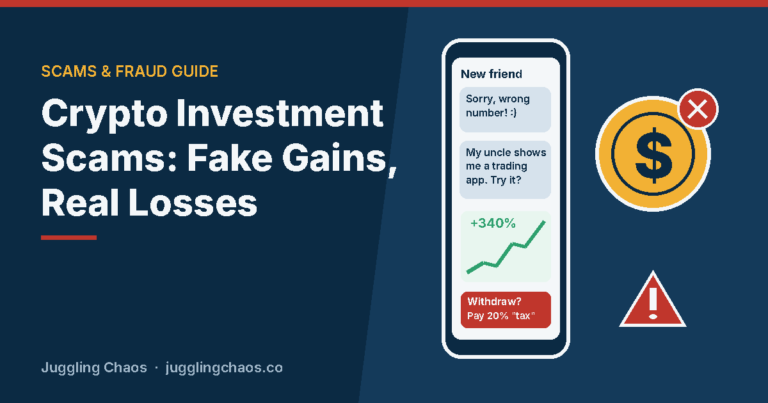
- Crypto “investment” tips from new online friends. See Crypto Investment Scams.
If you paid or shared information
- Contact your bank or card issuer right away. See Get Help Now.
- If you shared your FSA ID, change your password at studentaid.gov and contact your loan servicer.
- If you shared your Social Security number, see Identity Theft Recovery.
- Report the scam to the FTC at ReportFraud.ftc.gov and your state attorney general.
For parents
Talk with your college-bound teen about these scams before they leave home, especially fake job and rental offers. See Online Safety for Ages 14 to 16.
Quick checklist
- FAFSA filed for free at studentaid.gov
- FSA ID kept private
- Never pay for loan relief or scholarship searches
- Tuition checked in the school portal before paying
- Loan servicer contacted directly, using the number on your statement
Frequently asked questions
Can a company legally help with my student loans?
Some offer paid help, but everything they do can be done for free through studentaid.gov or your servicer. Never pay before any work is done.
Are paid scholarship search sites a scam?
Many charge for information you can get free from your school counselor or financial aid office. Any site that guarantees a scholarship is a red flag.
How do I know an email is really from Federal Student Aid?
Don’t click links in unexpected messages. Log in at studentaid.gov by typing the address yourself.
Sources
- Student Loan and Education Scams, FTC Consumer Advice, accessed October 25, 2026
- How To Avoid Scholarship and Financial Aid Scams, FTC Consumer Advice, accessed October 25, 2026
Get one family safety tip a month. Sign up for the Juggling Chaos newsletter. We will never ask for a password, payment, gift card, or verification code.
This guide is general information, not financial advice. See our Disclaimer and Editorial Policy.